
 WELCOME
AI is making work faster, but not necessarily lighter. The more it generates, the more we have to judge, filter, question, and decide. That’s why this issue centers on the human skills that grow more valuable as AI becomes more capable: critical thinking, curiosity, creativity, and the ability to stay connected to meaning instead of handing it over to the machine. From “AI brain fry” to leaders outsourcing judgment, the message across these pieces is consistent: the future won’t belong to the people who use AI most blindly, but to those who know when to think deeper, slow down, and bring more of themselves to the work.

 FEATURE

AI productivity vs AI judgment
AI didn’t reduce thinking. It multiplied the number of decisions we have to make.
AI productivity looks like this:
Generate > Summarize > Draft > Analyze .> Repeat
But the real work looks like this:
Evaluate > Compare > Discard > Refine > Decide
In other words:
AI increases output.
But it also increases the number of decisions we have to make.
A recent study published in HBR describes the result as “AI brain fry.”
Workers reported mental fog, slower decisions, and cognitive overload from supervising multiple AI tools.
Which reveals something interesting.
The most valuable skill in an AI-heavy workflow may not be prompting.
It may be Critical Thinking.
Because the job isn’t just generating answers anymore.
It’s judging which answers deserve attention.
Designers have always done this.
We synthesize. We evaluate. We decide.
Turns out those skills matter even more when the machine never runs out of ideas.
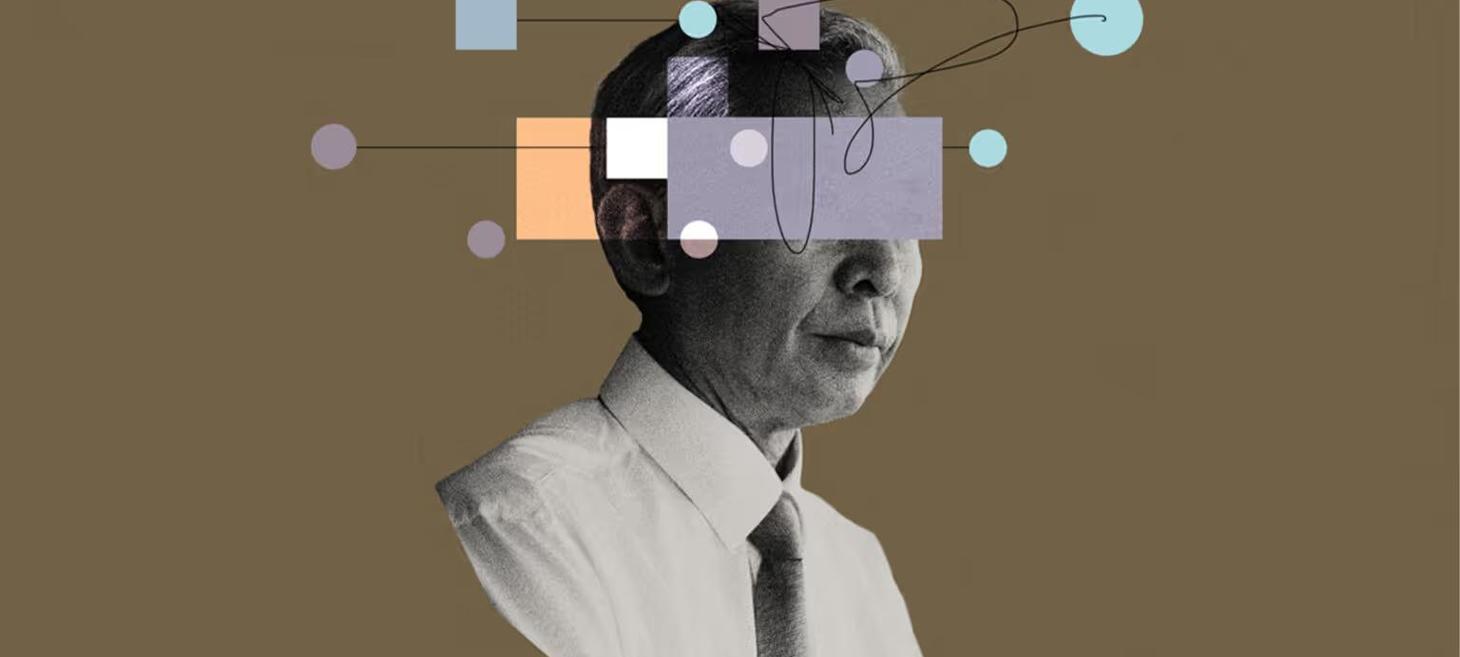
When Using AI Leads to “Brain Fry”
People using AI are finding themselves pushed to their cognitive limits. Participants in a recent study described a “buzzing” feeling or a mental fog with difficulty focusing, slower decision-making, and headaches. The authors call this phenomenon “AI brain fry,” defined as mental fatigue from excessive use or oversight of AI tools beyond one’s cognitive capacity.
hbr.org
 CURIOSITY

5 design principles to feel fully alive
Co-authors Dave Evans and Bill Burnett, co-founders of the Stanford Life Design Lab and co-authors of the New York Times bestseller, Designing Your Life, share five key insights from their new book, How to Live a Meaningful Life: Using Design Thinking to Unlock Purpose, Joy, and Flow Every Day.
fastcompany.com
 CRITICAL THINKING

Here's the leadership skill AI can't replace
As generative AI becomes more advanced, the leaders who get the most value from it aren’t the ones who prompt perfectly - they’re the ones who think critically and ask better questions.
fastcompany.com

Study Finds That Execs Are Outsourcing Their Thinking to AI
A study reveals that many UK business executives are heavily relying on AI chatbots for decision-making, often second-guessing their own ideas in favor of AI recommendations. This trend highlights an ironic consequence: those who champion AI are outsourcing their cognitive and emotional labor, potentially leading to diminished critical thinking skills.
Lyndon
futurism.com
 CREATIVITY
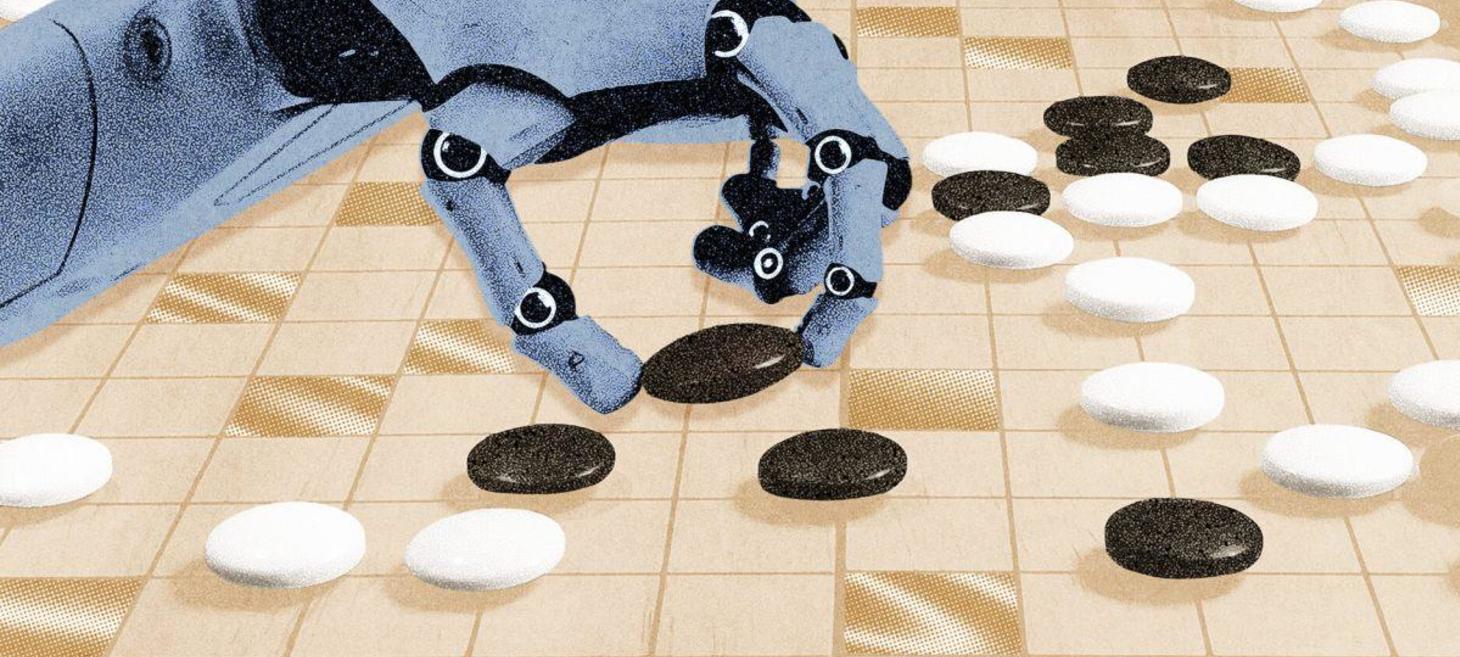
The hidden cost of letting AI make your life easier
Professor Sven Nyholm highlights concerns about AI’s impact on meaningful human activity, especially among students and creative work. He stresses that true achievement involves the process, including struggle and competence, which AI shortcuts may undermine. He urges careful reflection on how AI reshapes work, creativity, and learning to preserve genuine meaning and human flourishing.
bigthink.com

How hand-drawn thinking is reconnecting designers with creativity in a precision-first industry
As AI tools, software and hyper-polished visuals dominate modern workflows, many designers are rediscovering the creative power of slowing down. Matteo Di Iorio of Interstate explores why sketching remains one of the most valuable and human parts of the design process.
creativeboom.com
