
 WELCOME
Being Designerly 147 is less about what AI can do, and more about what it tempts us to stop doing. HBR looks at AI mediating our thinking and relationships. Fast Company asks what leaders are still practicing when AI can draft, summarize, justify, and soften everything. WEF warns that automating “grunt work” may also automate away the apprenticeship layer. Inc. reminds us that AI can read the playbook but has never handled the angry customer. Together, these pieces point to a sharper question: as AI takes on more of the work, which human capabilities are we still deliberately building?

 FEATURE
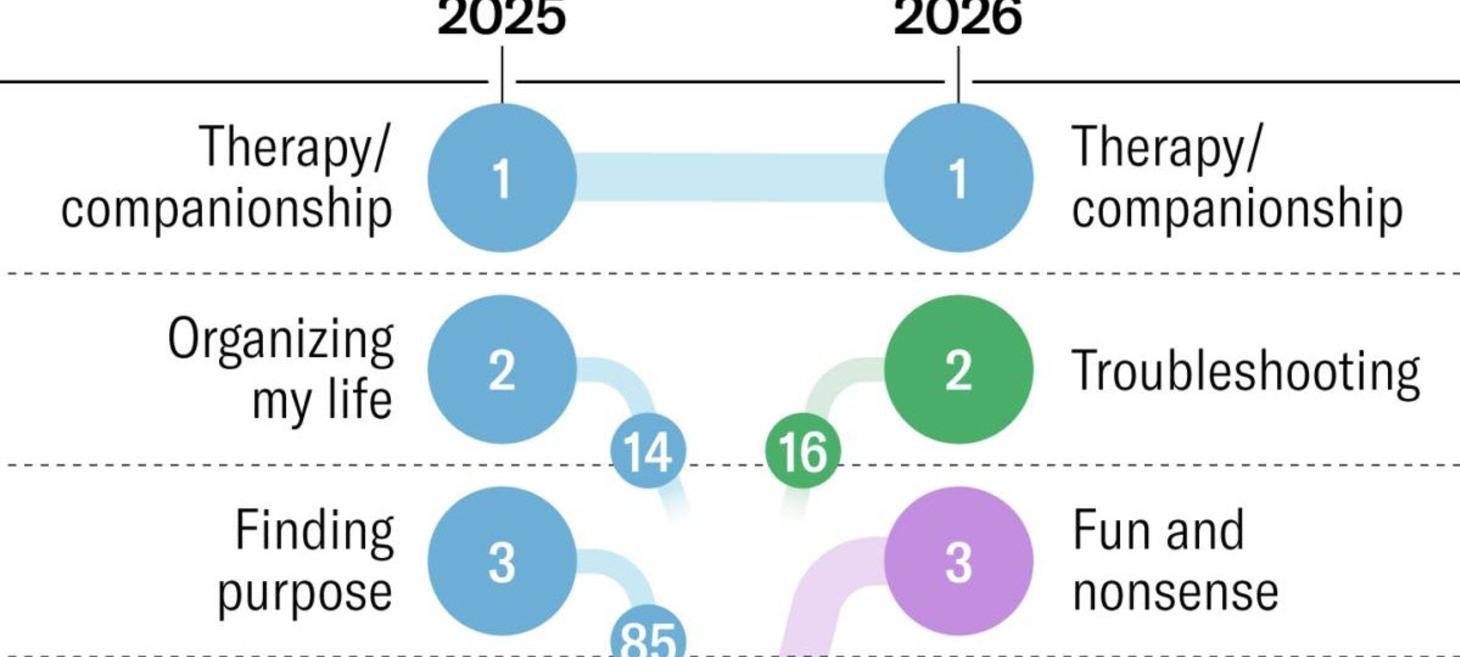
How People Are Really Using AI in 2026
AI is becoming a work buddy, therapist, strategist, ghostwriter, and quiet accomplice. Useful? Absolutely. But when one tool starts mediating our thoughts, emotions, relationships, and decisions, the human advantage shifts from knowing how to prompt to knowing what not to hand over.
hbr.org
 CRITICAL THINKING
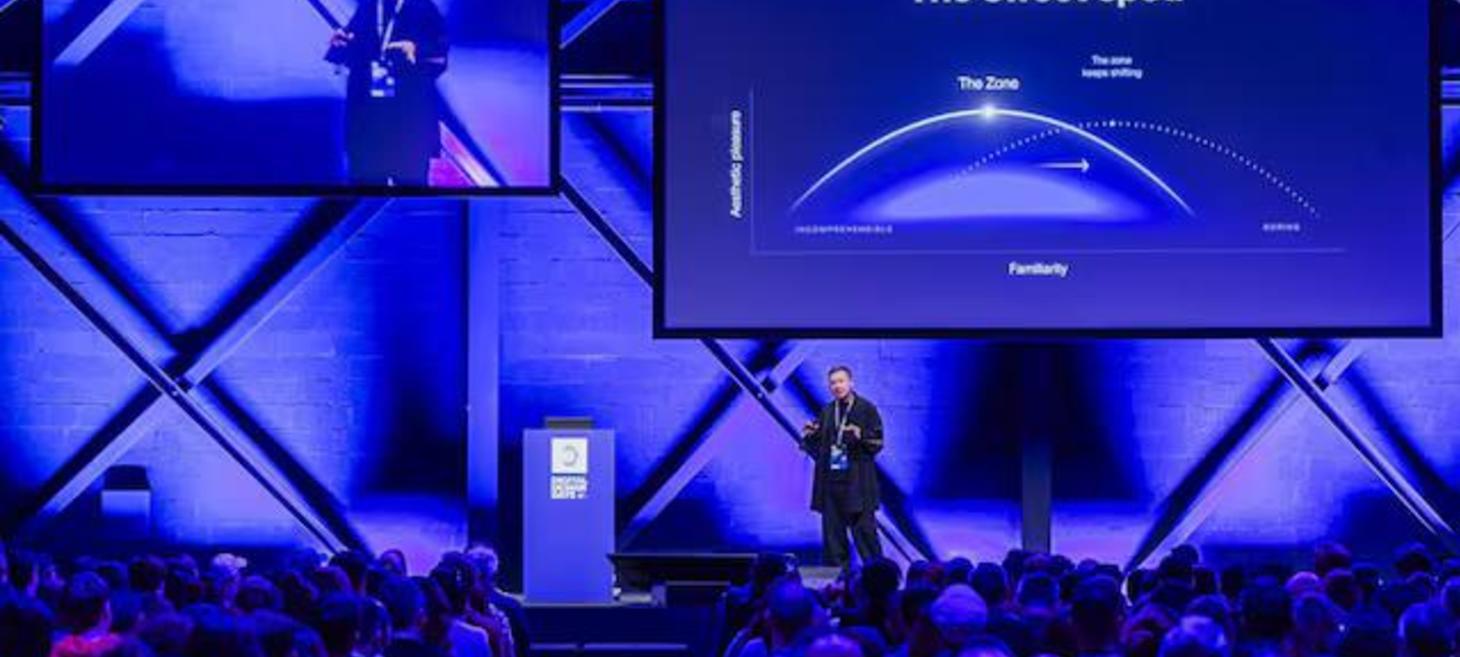
The Growing Importance of Human Judgment in the AI Era
The article gets at something bigger than design: when everyone can make more, faster, differentiation moves upstream. The scarce skill is no longer execution alone — it is the judgment to know what is worth making, the empathy to know what will matter, and the taste to make it unmistakably human.
reuters.com

6 skills everyone needs in the AI era
This article argues that AI won’t erode our human edge by replacing it outright, but through convenience. When the tool can draft the argument, summarize the meeting, justify the decision, and soften the difficult conversation, the question becomes: what are you still practicing that makes you worth following?
fastcompany.com
 EMPATHY

The skills people still perform better than AI, according to workplace experts
This article makes a useful point, but I’d sharpen the language: the future does not belong to people with “soft skills.” It belongs to people with durable human capabilities that remain valuable precisely because AI can only approximate them — empathy, critical judgment, ethical reasoning, relationship-building, and decisions in the gray.
ksl.com
 ADVOCACY

The AI-related leadership crisis that’s only five years away – and how to avoid it
The hidden risk of automating entry-level work is not that juniors will have less grunt work. It’s that they’ll have fewer chances to build the judgment that grunt work quietly taught: spotting what’s wrong, recovering from mistakes, communicating uncertainty, and learning when to push back. If AI does the homework too early, who learns how to grade it?
weforum.org
 EXPERIMENT

Half of AI Job Cuts Will Be Reversed by 2027, Gartner Says. Here’s the Real Lesson
The real lesson from AI job-cut reversals isn’t that companies moved too fast. It’s that they confused access to knowledge with the judgment that comes from lived experience. AI can read the playbook, but it has never had to calm the angry customer, spot the exception, or carry the consequences of a bad call.
inc.com
 TOOLS
TOOLS
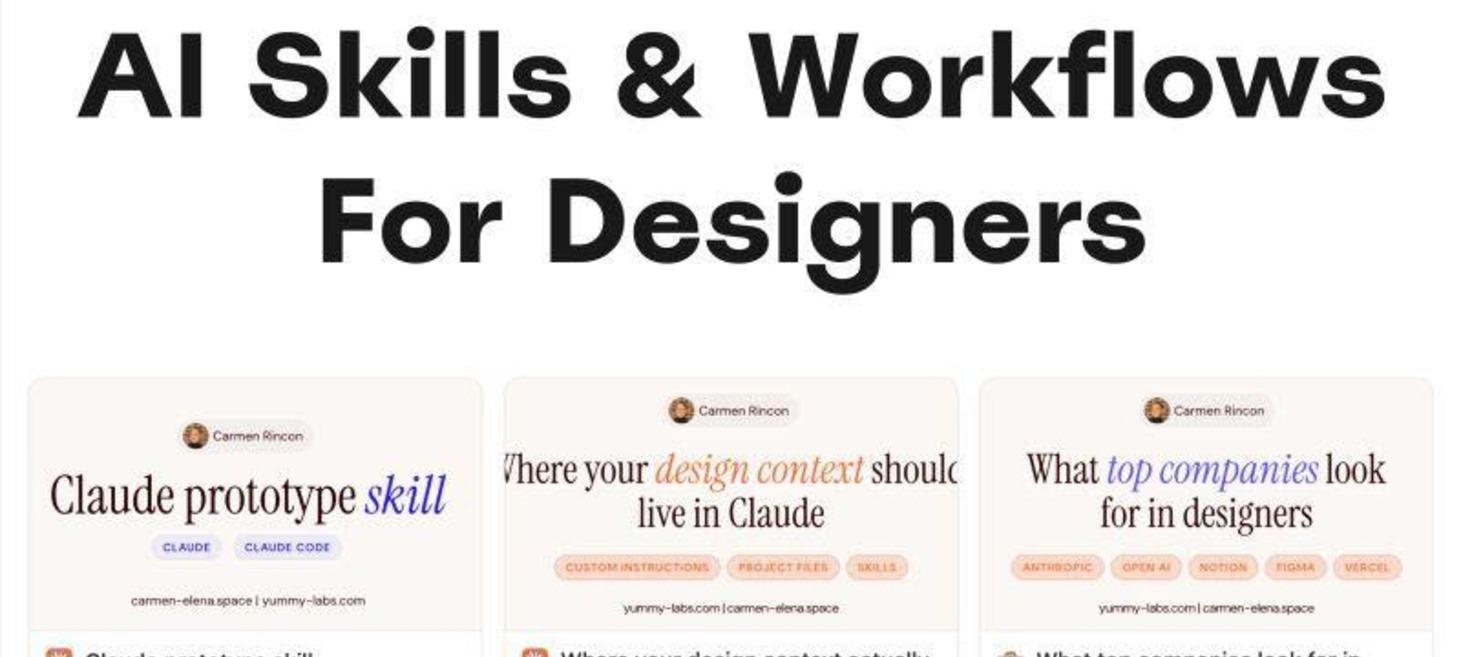
Useful AI Skills And Workflows For Designers
This LinkedIn post by Vitaly highlights a growing Notion repository with ready-made project structures, Claude skills, design tokens pipeline and AI design dictionary by Carmen Rincon plus other useful resources
linkedin.com
 UNTIL NEXT TIME
Did you enjoy this issue of Undelegatable by Being Designerly? Will you share it with a friend or co-worker? It’s a simple yet helpful way to support this labor of love.
I love your thoughts, suggestions and feedback, positive or negative—just reply or email me at lycerejo (at) gmail.com - thank you!