
 WELCOME
AI is everywhere. So your advantage is no longer output - it’s discernment. Issue 139 highlights five reads. Five designerly skills. Sharpen your designerly edge:
- Curiosity: a 3,000-year perspective on how humans have always tried to organize knowledge - AI is the latest chapter.
- Critical Thinking: a two-minute reset for thinking for yourself when everyone disagrees.
- Empathy: why the human side of innovation shows up strongest in high-pressure moments.
- Advocacy: a trust-and-safety wake-up call: “probably” doesn’t mean to an AI what it means to you (and bias can ride along).
- Collaborate: what it looks like when AI stops being a chatbot and becomes a “digital twin” that scales how you work.

 FEATURE
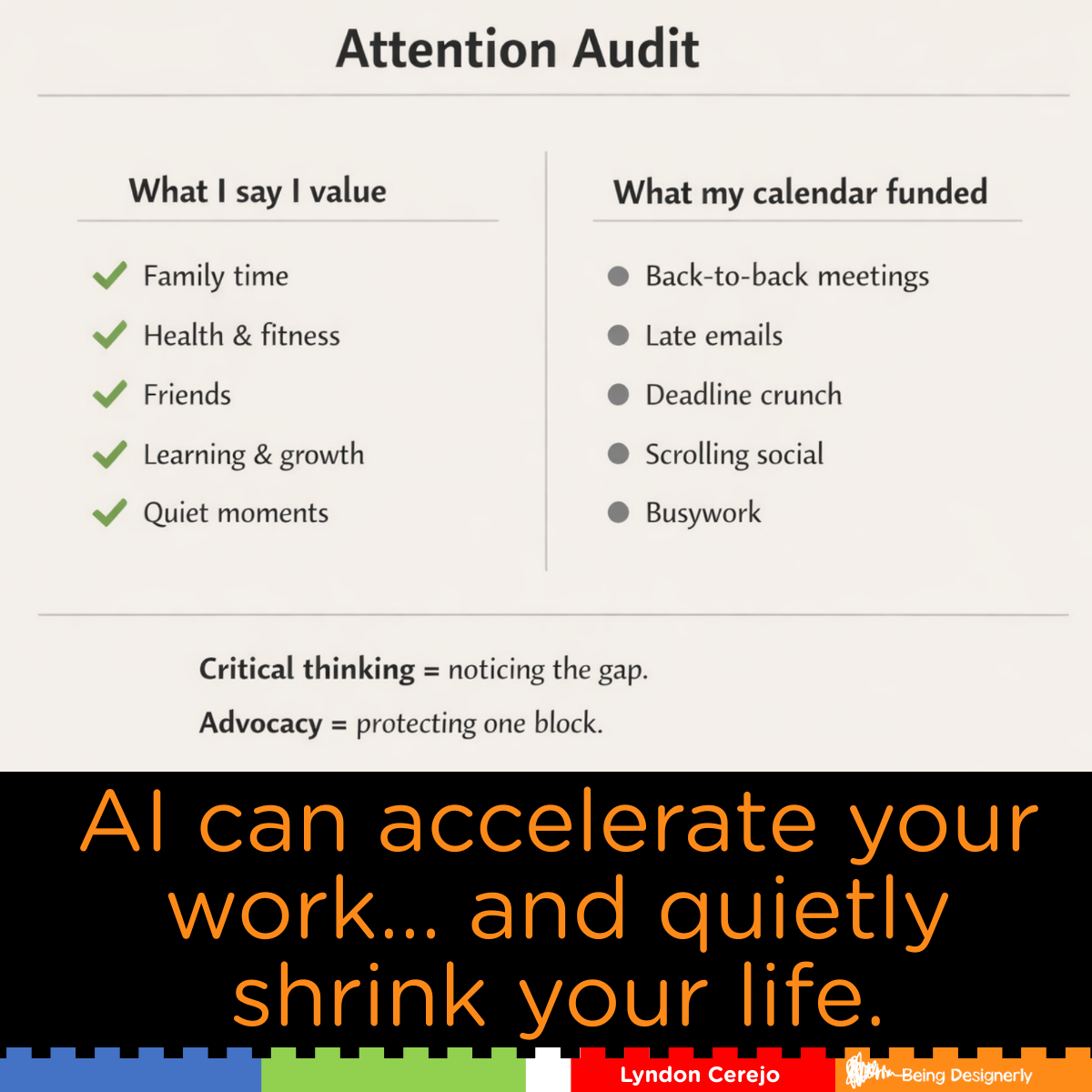
The Rising Opportunity Cost of Being Human
AI can give you time back… and still leave you saying “I don’t have time.”
Jeremy Utley's post (linked below) hit hard. In a nutshell, AI makes work pay off fast while family stuff takes time - making it easy to get pulled into more work.
Sharing a 10-minute integrity check (designerly-style):
- List your top 5 values (real ones, not LinkedIn ones - this is for your eyes only).
- Pull up your calendar from this week.
- Circle where your attention actually went.
- Ask: “Did AI help me become more of what I say I value?”
If the answer stings, good. That’s critical thinking doing its job.
Now the advocacy step (harder, but necessary): Protect one “human block” on your calendar like it’s immovable.
Because relational erosion doesn’t announce itself. It accumulates quietly while we’re “being productive.”
jeremyutley.com
 CURIOSITY

The deep history of AI began 3,000 years ago
The article shows how organizing and managing knowledge has changed over 3,000 years, from ancient libraries to modern artificial intelligence. AI continues humanity’s long effort to organize, automate, and improve how we use knowledge.
bigthink.com
 CRITICAL THINKING
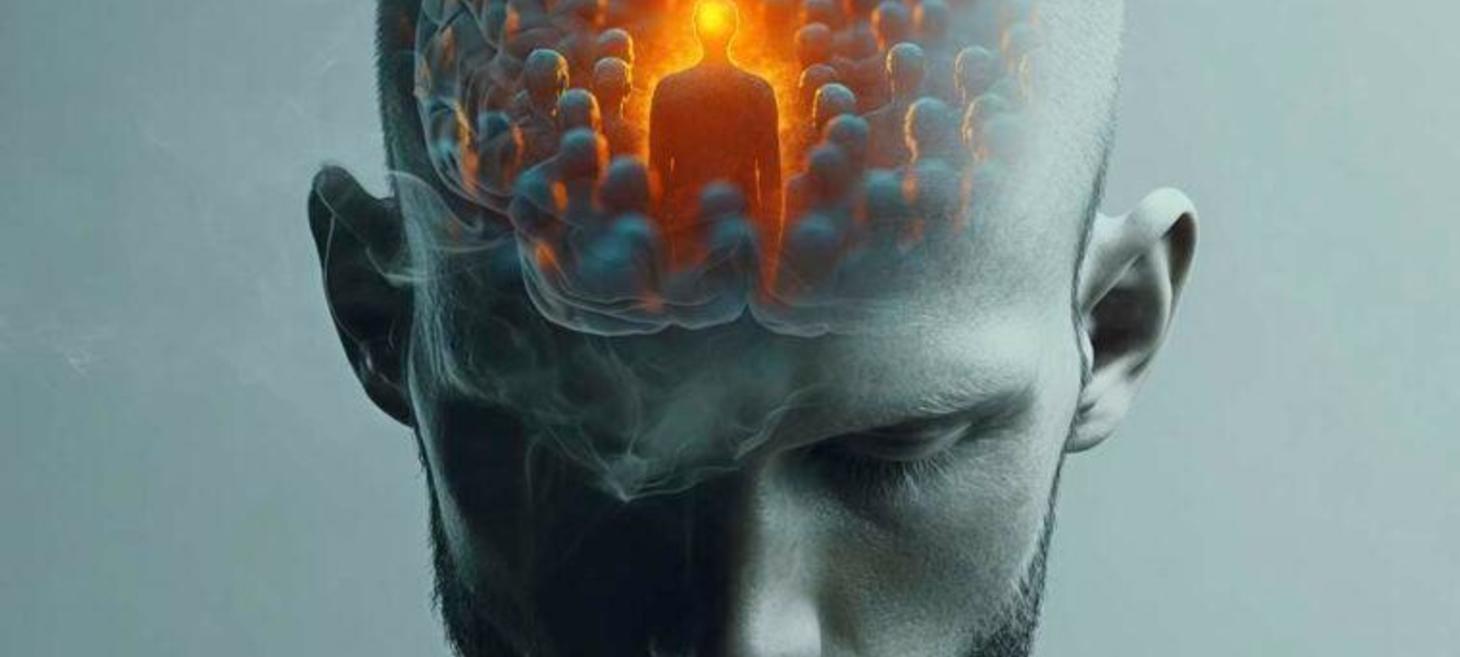
How To Think for Yourself When Everyone Disagrees With You
A quick two-minute technique to protect your independent and critical thinking.
killerinnovations.com
 EMPATHY
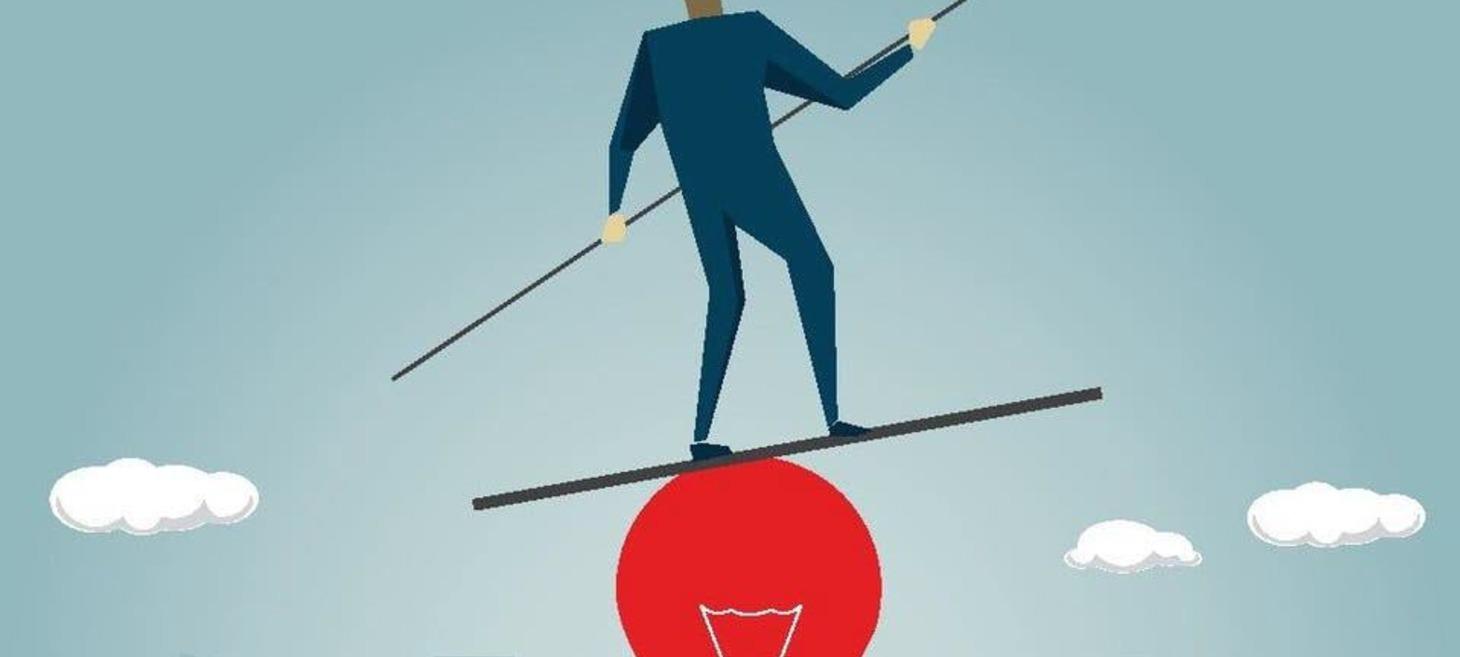
4 Reasons The Human Side Of Innovation Matters In High-Pressure Moments
In tough business times, human qualities like empathy, emotional intelligence, risk-taking, and collaboration are key to success. These often work better than technology alone. While AI helps, it can’t replace the human skills needed to handle uncertainty, focus on customers, and plan for the future.
forbes.com
 ADVOCACY
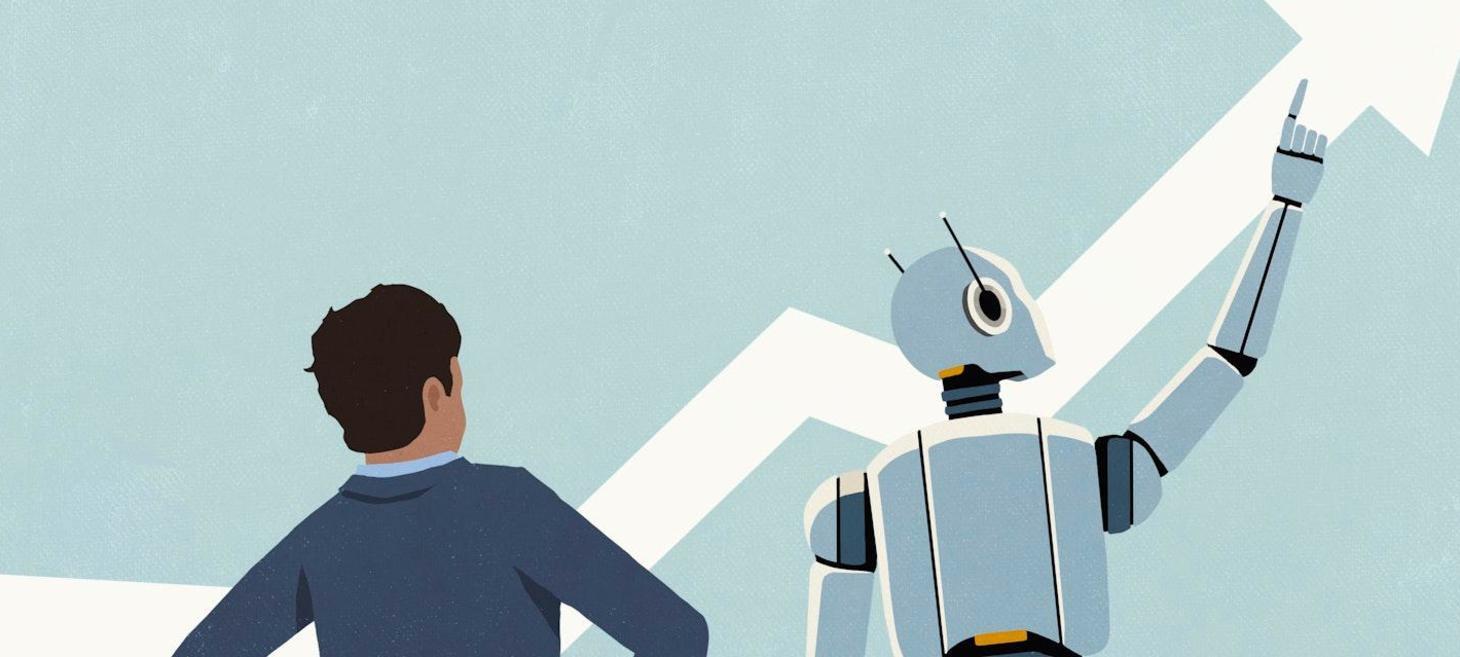
‘Probably’ doesn’t mean the same thing to your AI as it does to you
AI models assign numerical probabilities to such terms differently than humans, causing potential misinterpretations, especially in critical fields like healthcare. The research also highlights biases related to gendered language and language differences (English vs. Chinese) in AI probability estimates. Aligning AI communication of uncertainty with human understanding is essential for safe and trustworthy AI-human interactions.
theconversation.com
 COLLABORATE
I made a digital twin of myself in ChatGPT — and it changed how I work every day
Think of a digital twin as an AI version of you trained on your tone, decisions and workflow. In other words, we've moved beyond AI being just a chatbot for quick answers, but a virtual double that acts on your behalf as a "System of Action." While this may sound a little creepy, it's actually a beneficial way to work smarter, not harder. So if you’re ready to scale your expertise without hitting burnout, here is how to build your own personal AI clone.
tomsguide.com
