
 WELCOME
What is the role of “taste” in the age of AI?
In Being Designerly 137, I’m thinking about how human judgment, immersive design, and the fuzziness of prompt-writing all intersect in unexpected ways.
✦ AI now outperforms average humans in creativity tests ✦ Visual design fails: the food pyramid makes a confusing comeback ✦ A single line that changed how I prompt forever ✦ Plus: inflation, deaf UX, and why “oops” matters in systems
I curate this to keep myself sharp, and share it so you can be, too.

 FEATURE

Taste will be the new creative superpower in 2026
Three big trends will help creatives stand out: focusing on human taste and storytelling, mixing real and AI-made visuals for new ideas, and creating immersive worlds that keep audiences interested.
creativebloq.com
 PROMPT
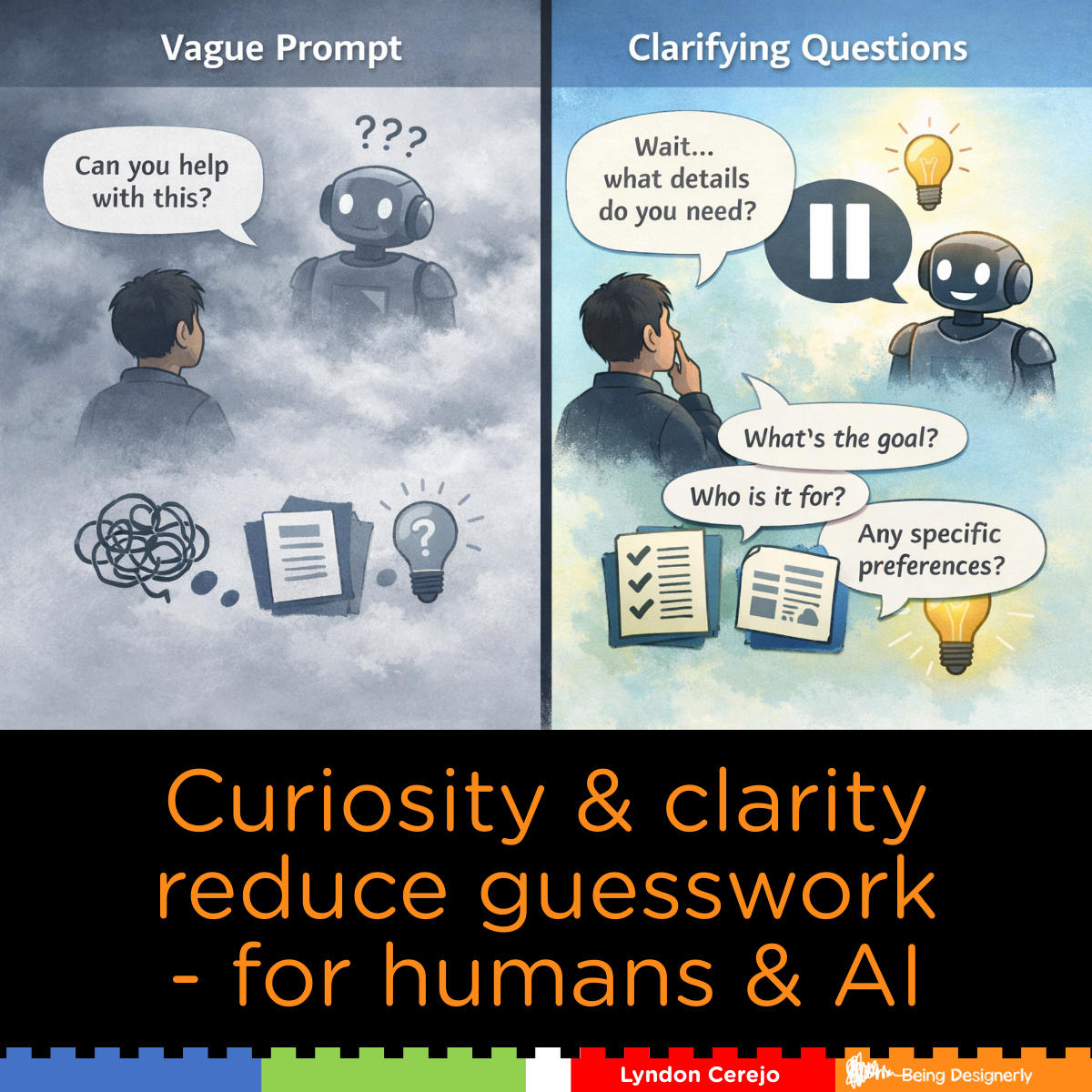
Prompt Upgrade: Forcing clarity and curiosity
People say: “Write better prompts.” But the real issue isn’t just wording.
It’s that AI has to guess when goals are fuzzy.
That guessing gap - between what you meant and what the model assumes - is where usefulness dies.
The single line that helped me most?
"If anything is unclear, ask for clarification before proceeding."
That’s not a prompt trick. That’s designerly curiosity applied to machines.
The same skill we use in research. The same instinct we use with stakeholders. Same move - just a new medium.
 VISUAL COMMUNICATION
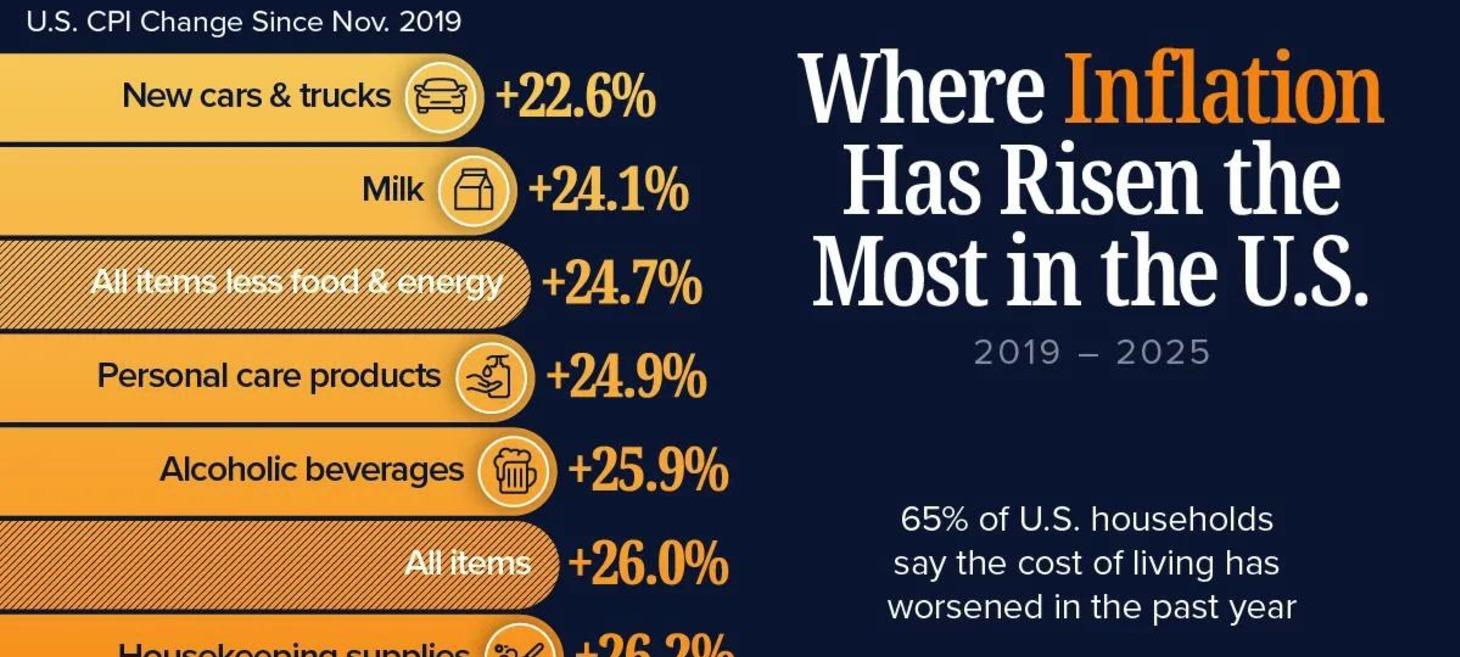
Where Inflation Has Risen the Most in the U.S. (2019–2025)
Inflation has reshaped household budgets across the United States since 2019, but price increases have not been evenly distributed. This visualization highlights where inflation has risen the most across major consumer categories between November 2019 and 2025. Motor vehicle insurance tops the ranking, with prices rising 56.1% since late 2019.
visualcapitalist.com
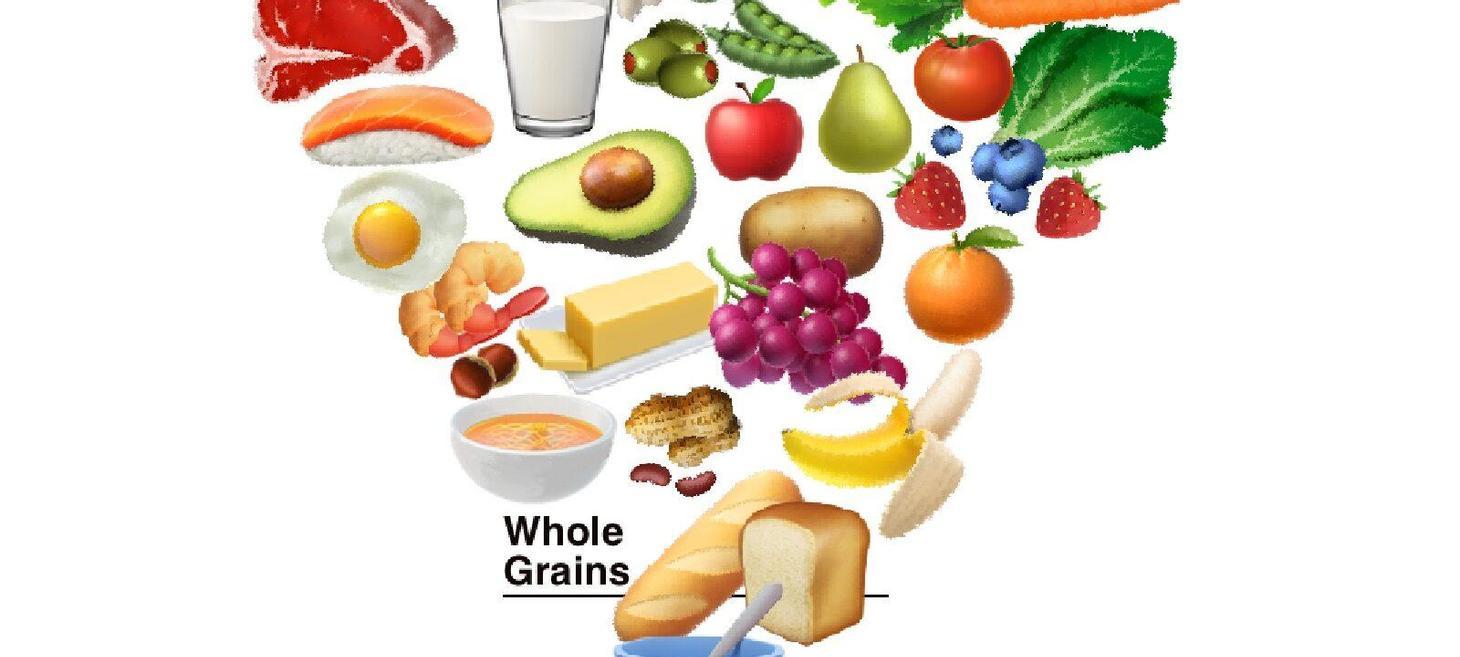
The new food pyramid’s confusing, outdated design
A critique by Debbie Millman The 2026 U.S. dietary guidelines brought back an upside-down food pyramid instead of the easier-to-understand MyPlate design. This old-style pyramid makes it harder for people to get the message because it looks confusing and uses outdated symbols.
statnews.com
 COLLABORATE

Proof Over Promise: Insights on Real-World AI Adoption from 2025 MINDS Organizations
Two recommendations include amplifying human-AI collaboration through redesigned roles and workflows; and implementing responsible AI practices by design while calibrating human oversight. Read more in this detailed report
weforum.org
 CREATIVITY
AI Now Beats the Average Human in Tests of Creativity
Researchers at the Université de Montréal, including AI pioneer Yoshua Bengio, conducted what they say is the largest ever comparative evaluation of machine and human creativity to date. The team compared outputs from leading AI models against responses from 100,000 human participants using a standardized psychological test for creativity and found that the best models now outperform the average human, though they still trail top performers by a significant margin.
singularityhub.com

How the most creative people are using AI to reach new levels
Yes, AI is mysterious. Creators are embracing its unpredictability to produce works that go beyond what human or machine could manage on their own.
fastcompany.com
 UX
UX
Designing for Oops
Mistakes are normal and expected, not personal faults, but many systems expect people to be perfect, which can cause serious problems, especially in healthcare. Other industries like aviation and manufacturing handle mistakes better by encouraging safe reporting, spotting errors early, and designing systems to prevent mistakes.
flip.it
 INCLUSIVE
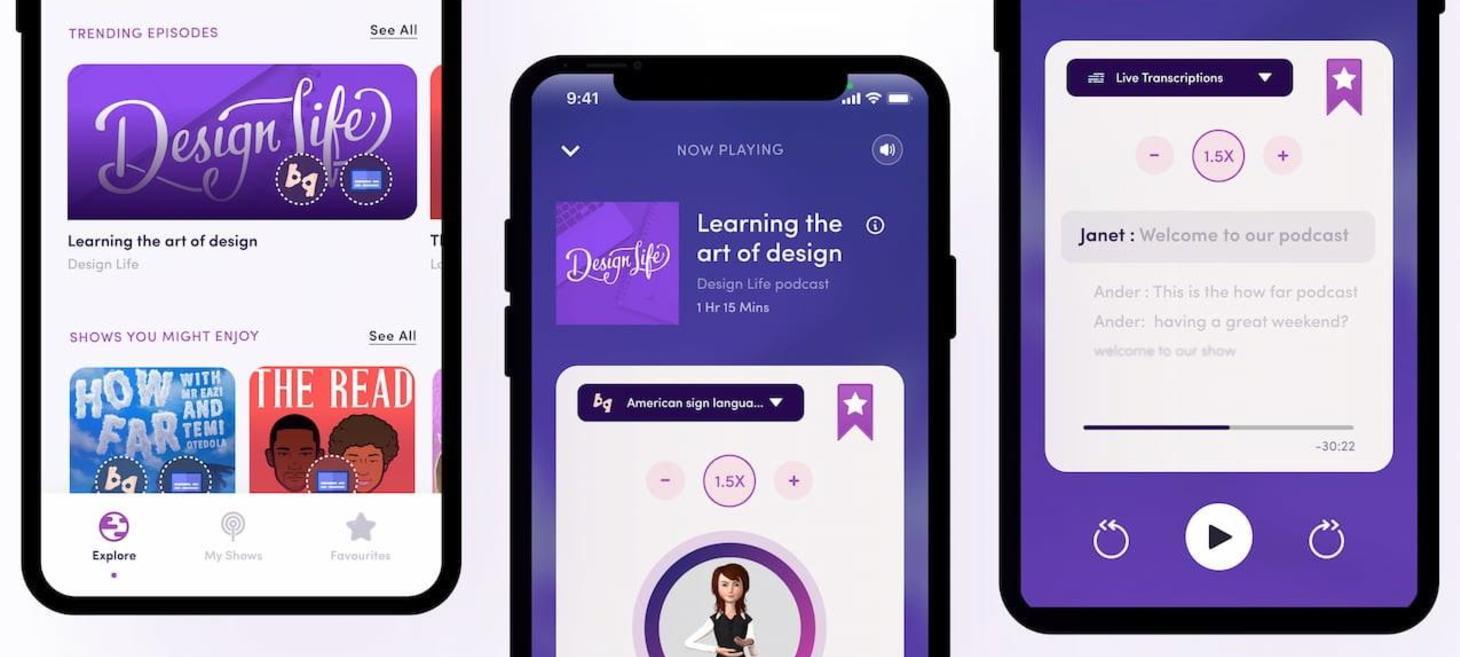
How To Design For (And With) Deaf People
Practical UX guidelines to keep in mind for 466 million people who experience hearing loss.
smashingmagazine.com
